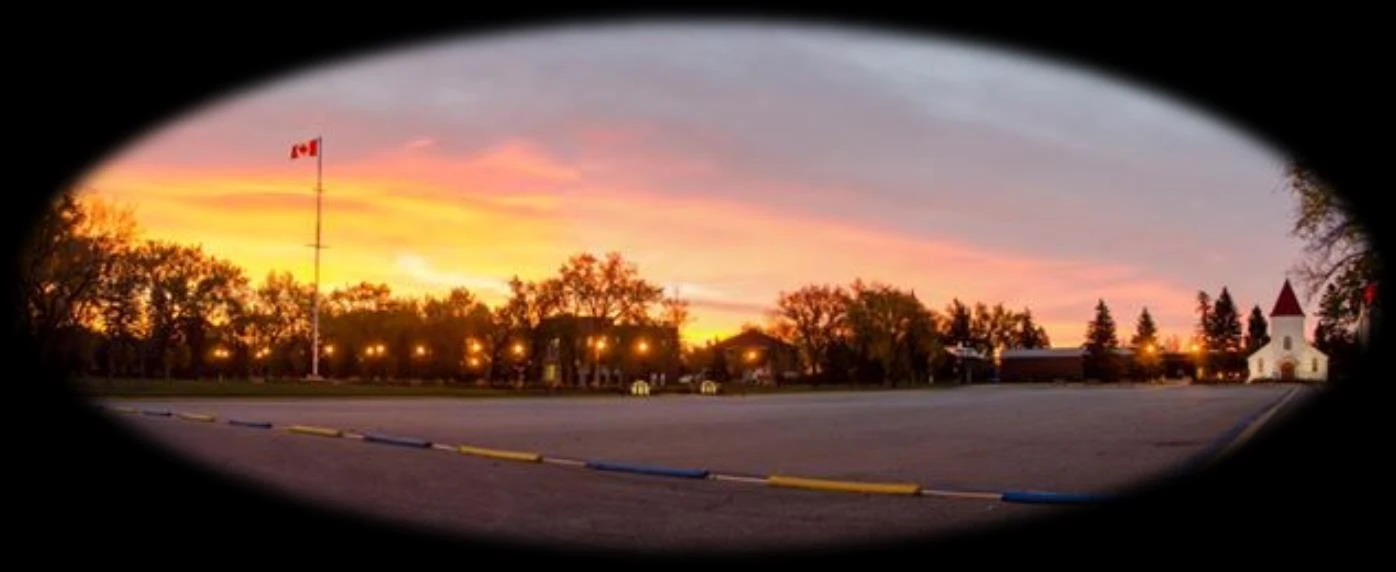



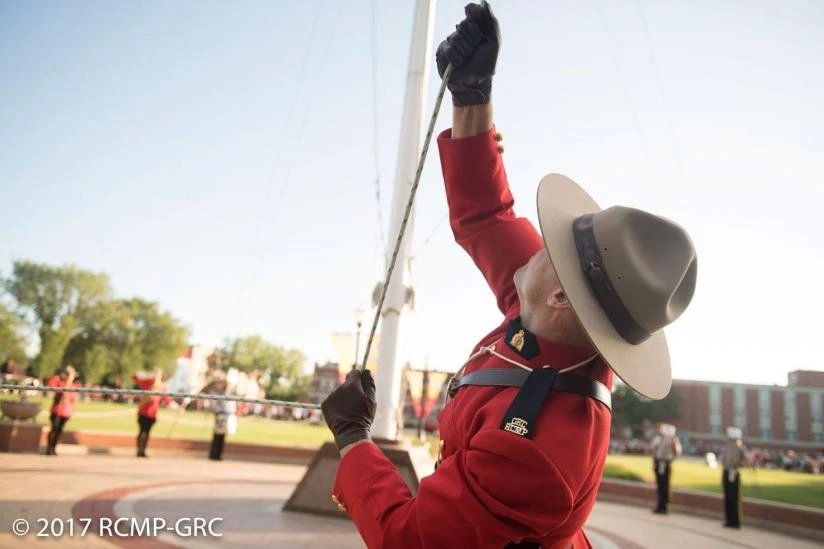
Recently, while chatting with a group of veterans one told of the time, he had to lower the flag atthe end of the day. It did not go well. It was one of those particularly windy Saskatchewan daysand while trying to lower the flag it became tangled in the halyards as the flag was being lowered. (“Depot” still uses naval terminology in describing the flag pole. I am sure this brings much consternation to those that say RCMP training is still too para-military). Being unsuccessful in his attempts to untangle the flag he had to report his lack of success to the Duty NCO in the Guardroom. The Duty NCO provided some verbal guidance in a not so subtle manner to get his posterior back out there and get the “damn flag down”. He followed his orders. The flag came down.
The veterans then discussed the flagpole. Is it the original “Depot” flagpole? How many have there been? I had no answer to the question. Another investigation to be done.
I am sure that buried in the archived files of the Force there is an answer to the question. But not having access to those files, I have relied on historical photos of “Depot” and what was referred to in the early days as the “Barrack Square”.
As we all know the HQs of the Force of the NWMP changed many times as the Force moved across the North West Territories (MB, SK & AB).
In 1882 a decision was made by Lt. Governor Edgar Dewdney of the North-West Territories to move the NWMP HQs from Fort Walsh to a point on the line of the Canadian Pacific Railway called “Pile of Bones”. On September 13, Inspector Sam Steele was sent to Regina to arrange the creation of the new HQs.
In 1915 Colonel S.B. Steele, C.B., M.V.O., wrote his book “Forty Years in Canada –
Reminiscences of the Great North-West”. In it he details the choice of “Pile of Bones” as the site
of the new NWMP HQs.
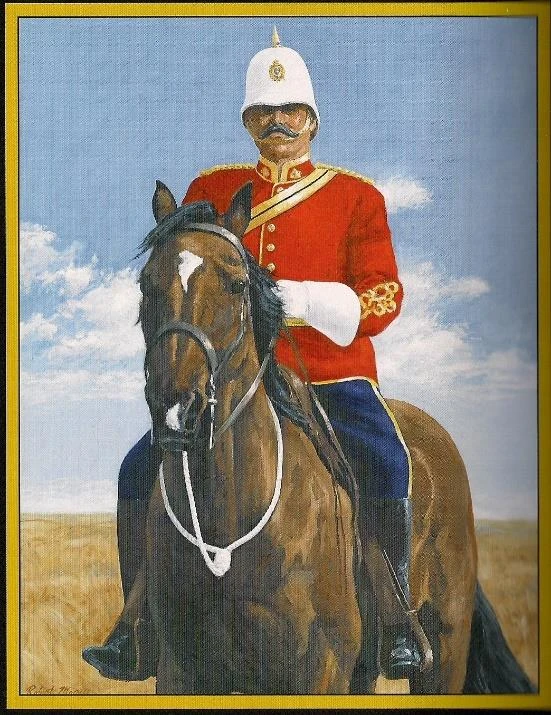
“At Regina the new capital frame houses were already taking the place of canvas tents. When we arrived there, we encamped on the homestead of Mr. George Moffat, on which it was afterwards decided that the headquarters of the N.W.M.P. were to be and are still. None of the officers liked the site. I suggested another to the comptroller and drove him over to inspect it, but it was a good thing for Saskatchewan and the city that it was not chosen, for it is now occupied by the imposing public buildings of that province, and has the pretty artificial lake where I thought we could have a dam for the water supply, there being nothing but the creek, then known as “The Pile of Bones,” to depend upon for the coming winter. The Lieutenant Governor had made up his mind, however, and he decided upon the present location, for which the good citizens of Regina owe him thanks, as well as for the place being chosen as the capital.”
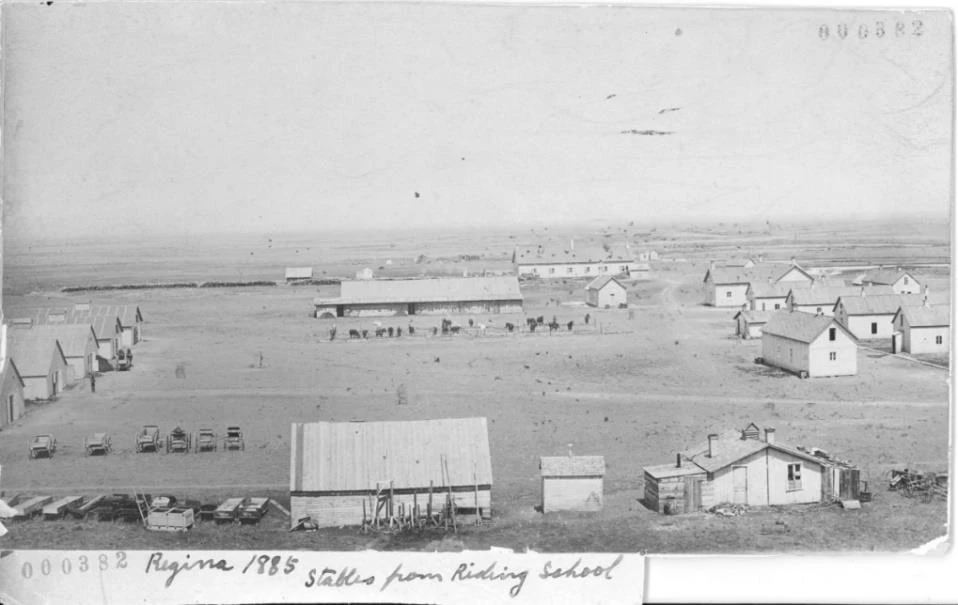
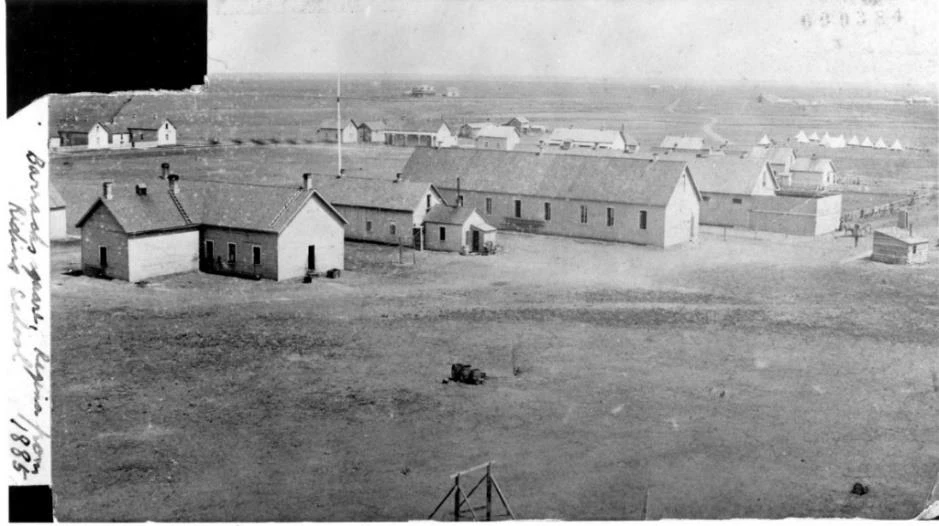
1885 – no flag pole
The story of how “Depot” Division came to be is well known to all members. Commissioner Irvine upon visiting the Royal Irish Constabulary in 1880 returned to Canada and recommended a “Depot of Instruction” be created. Not until after the rebellion of 1885 and a surge in the number of NWMP members did “Depot”, on November 1st, 1885, come into being. “Depot” to this day is the longest serving division of the Force. It is the only division to have had two Commissioners (Irvine and Herchmer) as its Commanding Officer.
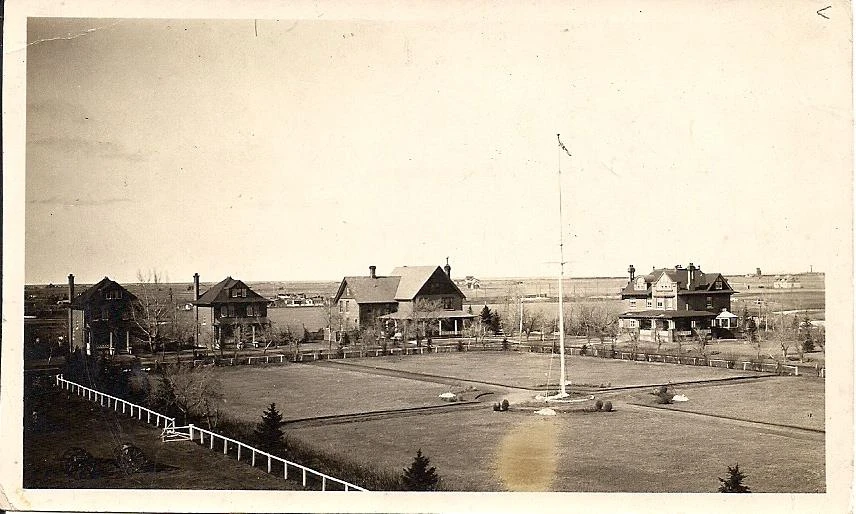
The picture below, also taken in 1885, may well be one of the first taken of “Depot”. There is now a flag pole situated in the “Barracks Dquare”.
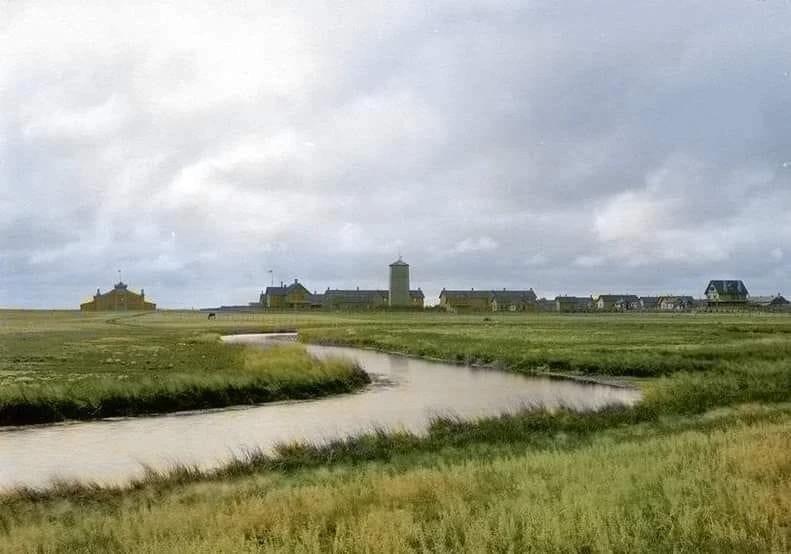
On a personal note, when I was a Drill Instructor at “Depot”, oh so many years ago, occasionally on one of those rare Regina days when it was not to hot, not to cold, I would take one of my senior troops for a march through one of the neighbourhoods near the grounds of “Depot”. This was much to the delight of the neighbourhood kids and their moms…a break in their day. Heading back to “Depot” down 11th Ave. we would stop at a little green space at the small bridge that crossed Wascana Creek (the last stretch of 11th Ave. leading to the “Depot” grounds is now named for Cst. George Knox Garrett, Reg # 852, Honour Roll # 7). I tried to instill the historical significance of the moment. It probably fell on deaf ears as they were more worried about their sore feet or being late for their next class. I wonder how many recruits raced across that bridge over the years in an effort not to be late getting back from their pass?
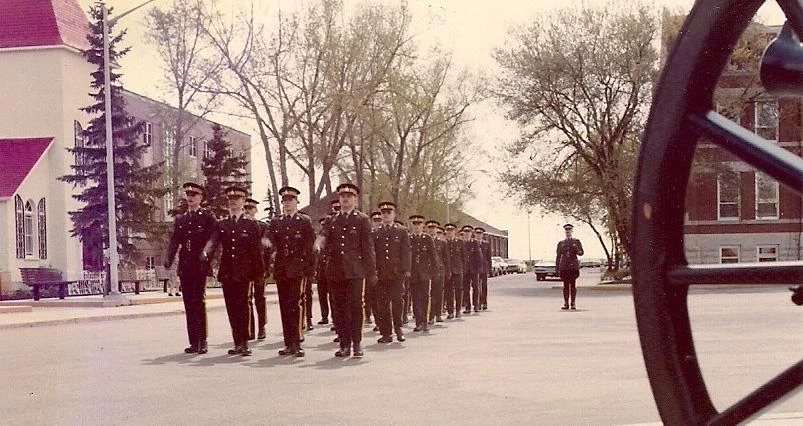
“Good news, no Drill Class today. You are going for a neighbourhood
patrol and a history lesson!”
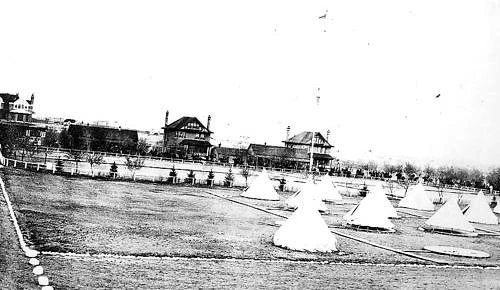
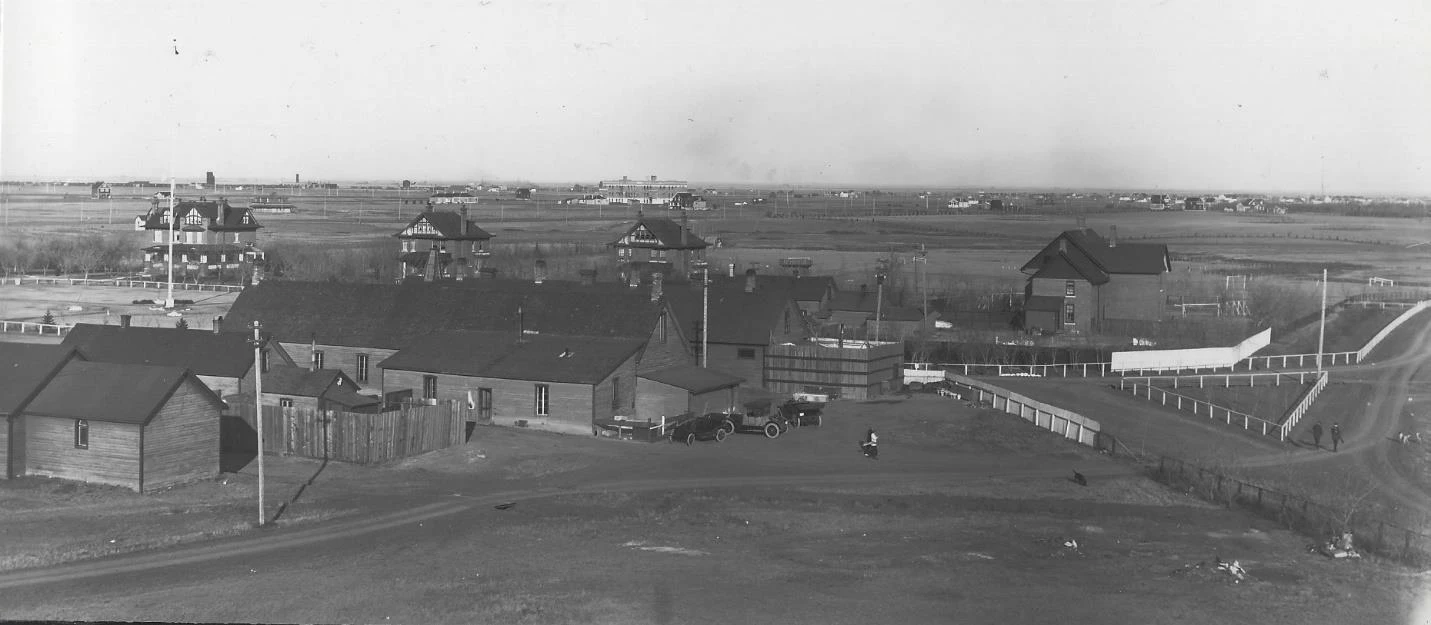
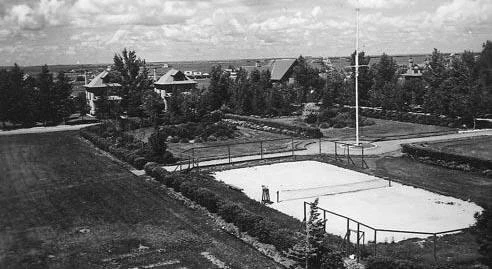
A tennis court? I wonder whose idea that was?
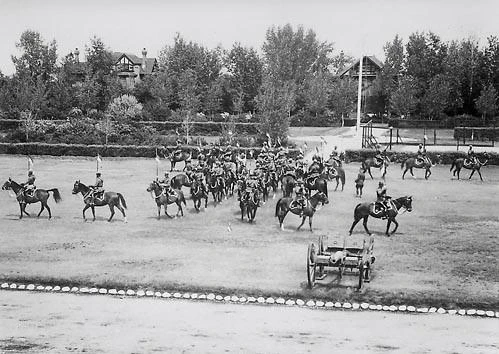
King George VI and Queen Elizabeth’s visit to “Depot”.
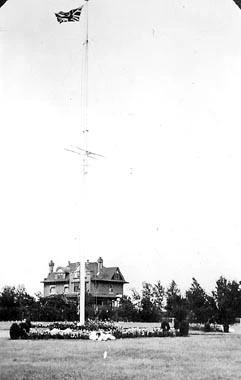
In their book “Behind the Badge – History of the Royal Canadian Mounted Police “Depot” Division”, Dale Sheehan and Redd Oosten, note in a time line of building construction at “Depot”: “Flagpole – Erected by “P” Squad on Sleigh Square at “Depot” September 14, 1943.” I am unable to locate any photographs of the new flagpole being put in place.
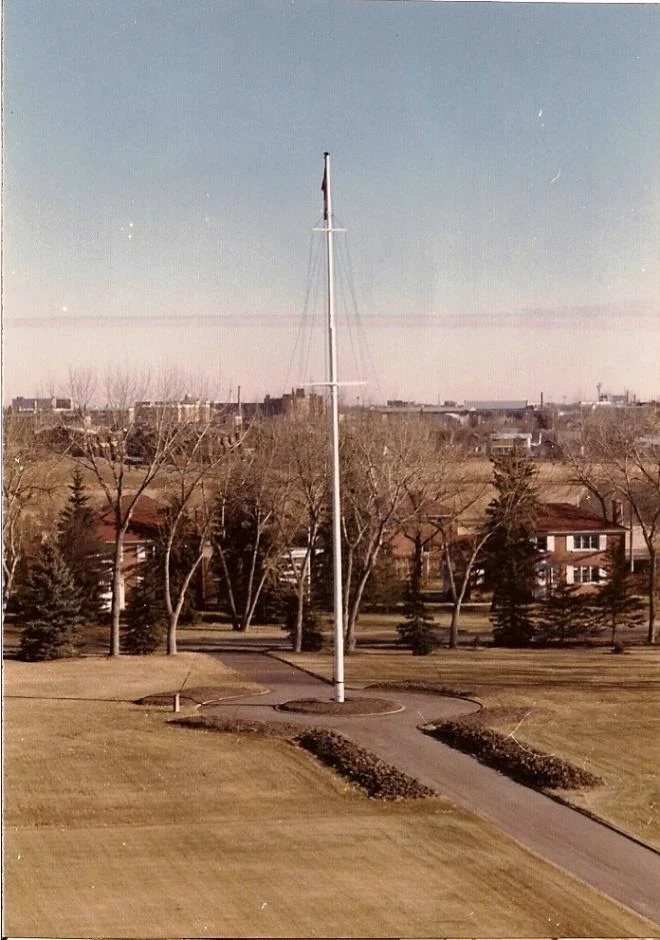
While making enquiries about the history of the flagpoles I was also told that the flagpole was again replaced in the late 1980s or early 1990s. Again, I can find no photographic evidence of this taking place.
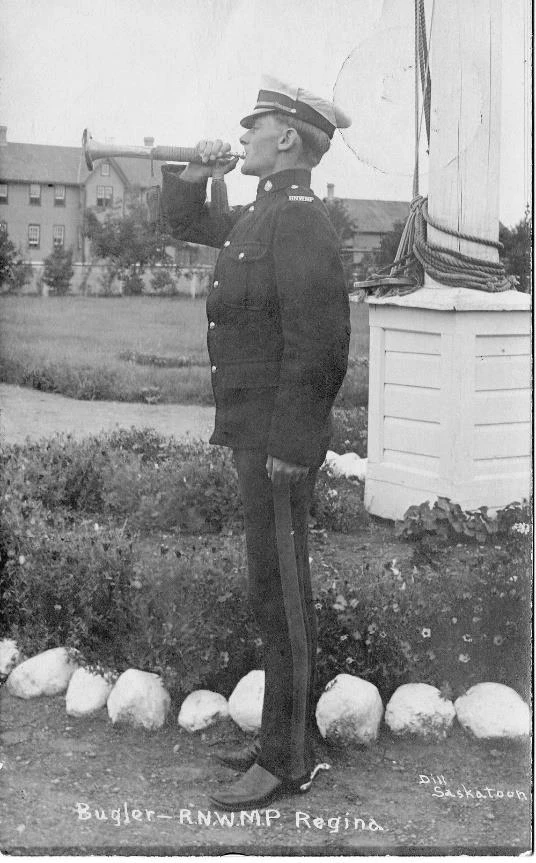
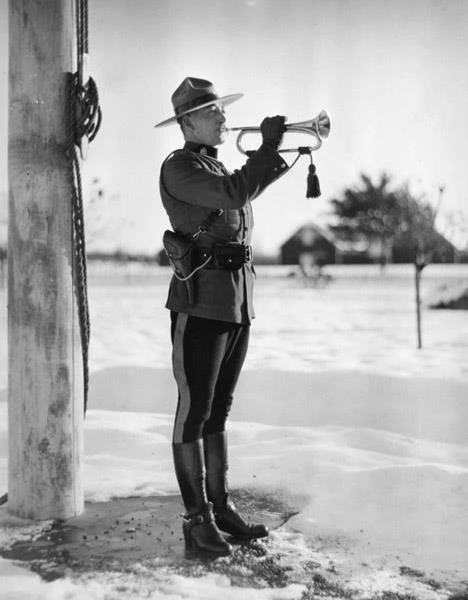
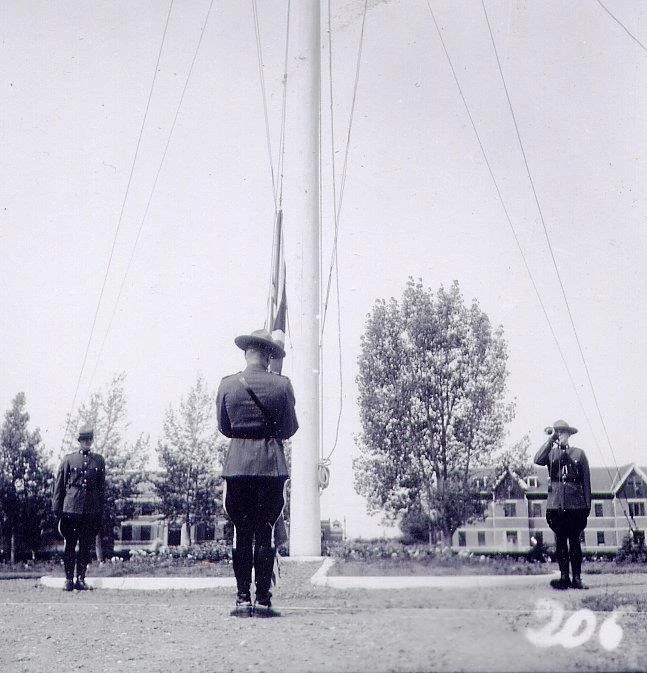
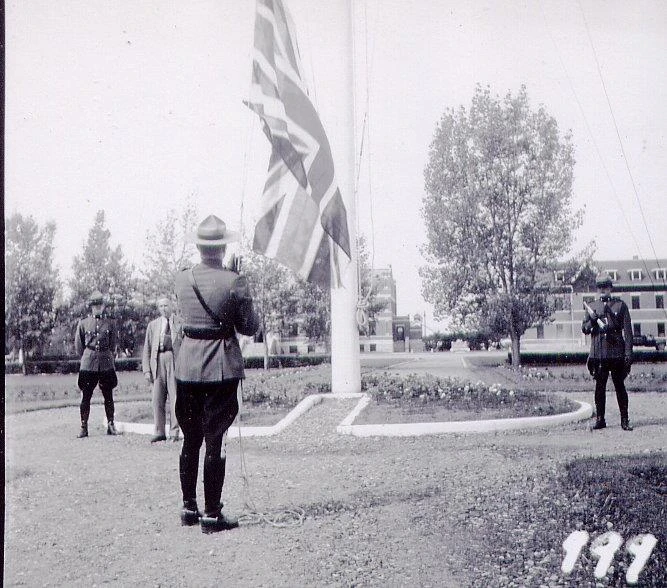
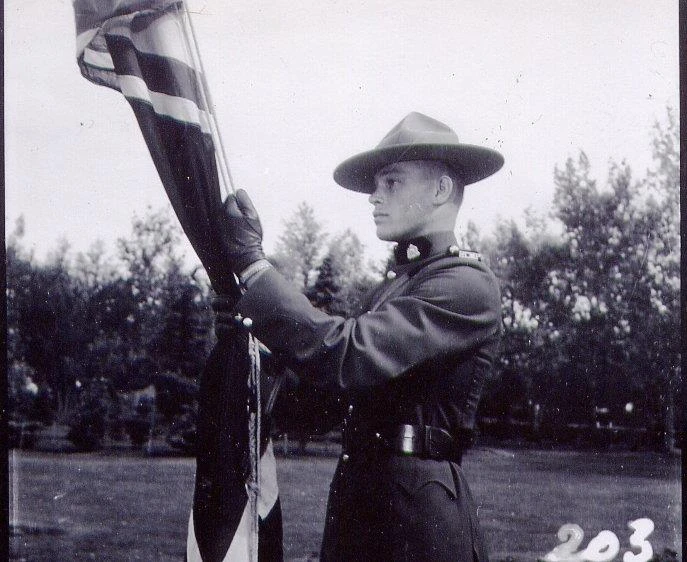
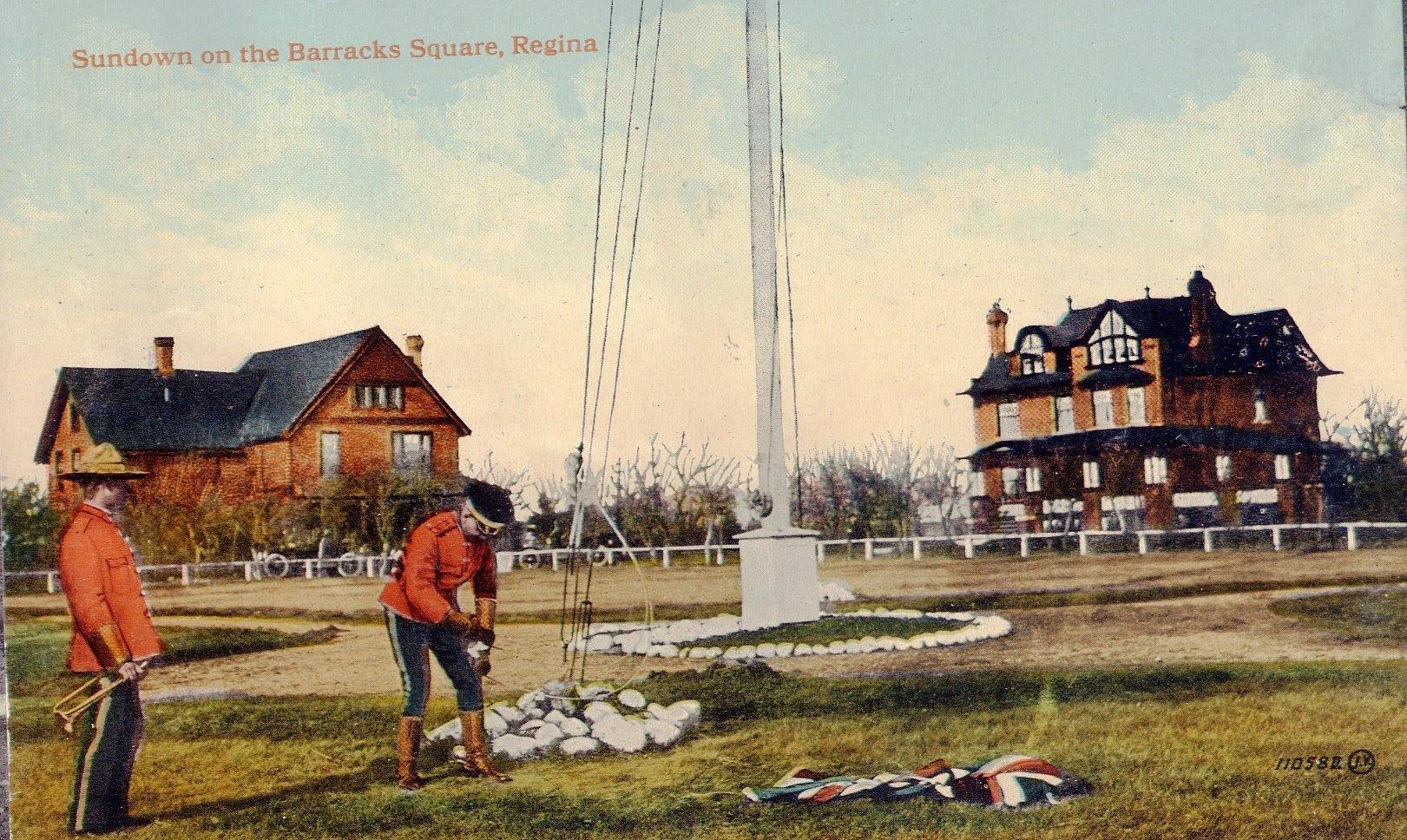
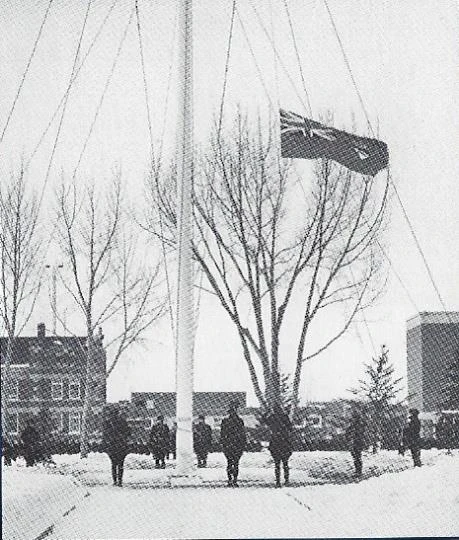
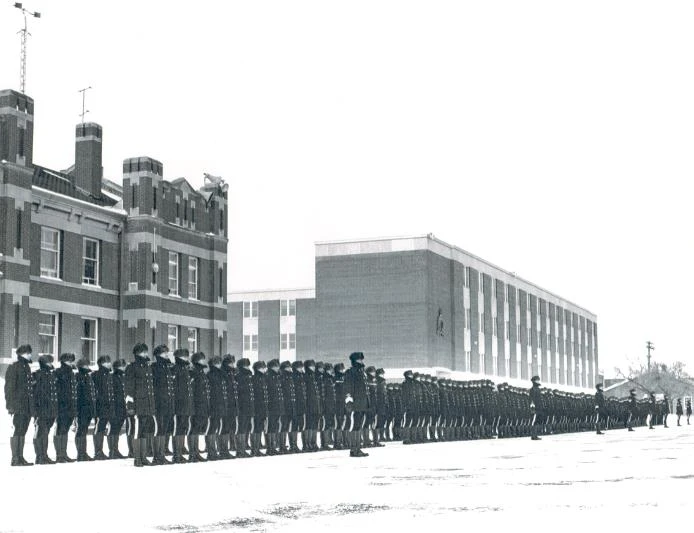
A Force legend, but I have it on good authority, Assistant Commissioner Pearlson, the C.O. of “F” Division, did not leave his office, which was in the corner of “A” Block, when the new flag was raised. He apparently turned his back to the window overlooking the parade square and flag pole when the Maple Leaf flag was raised for the first time at “Depot”. He, as were many others of the day, was a staunch supporter of the old Canadian Red Ensign and did not approve of the “new” Canadian Maple Leaf flag.
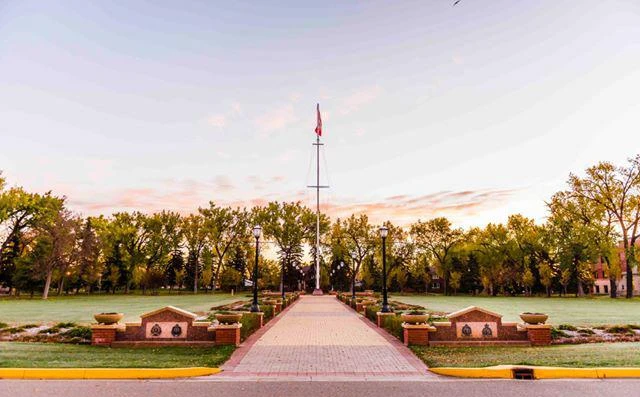
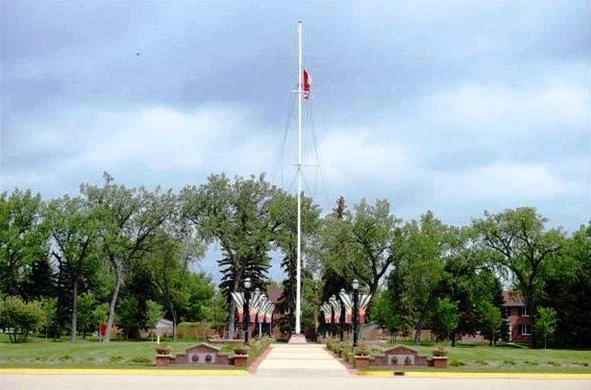
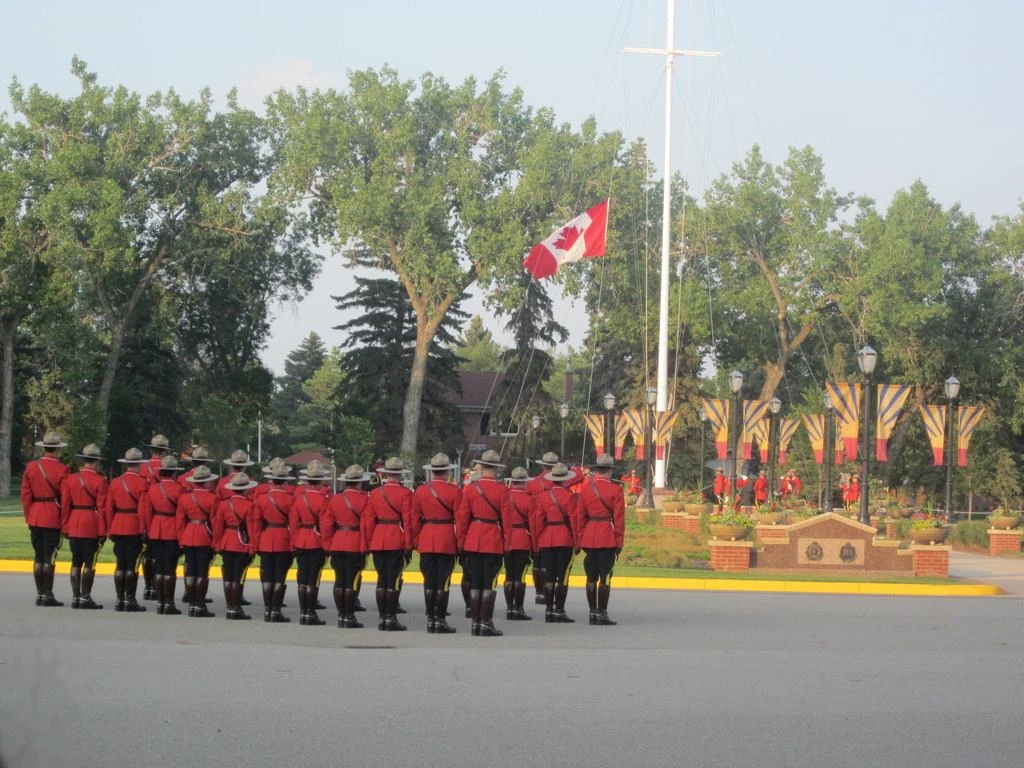
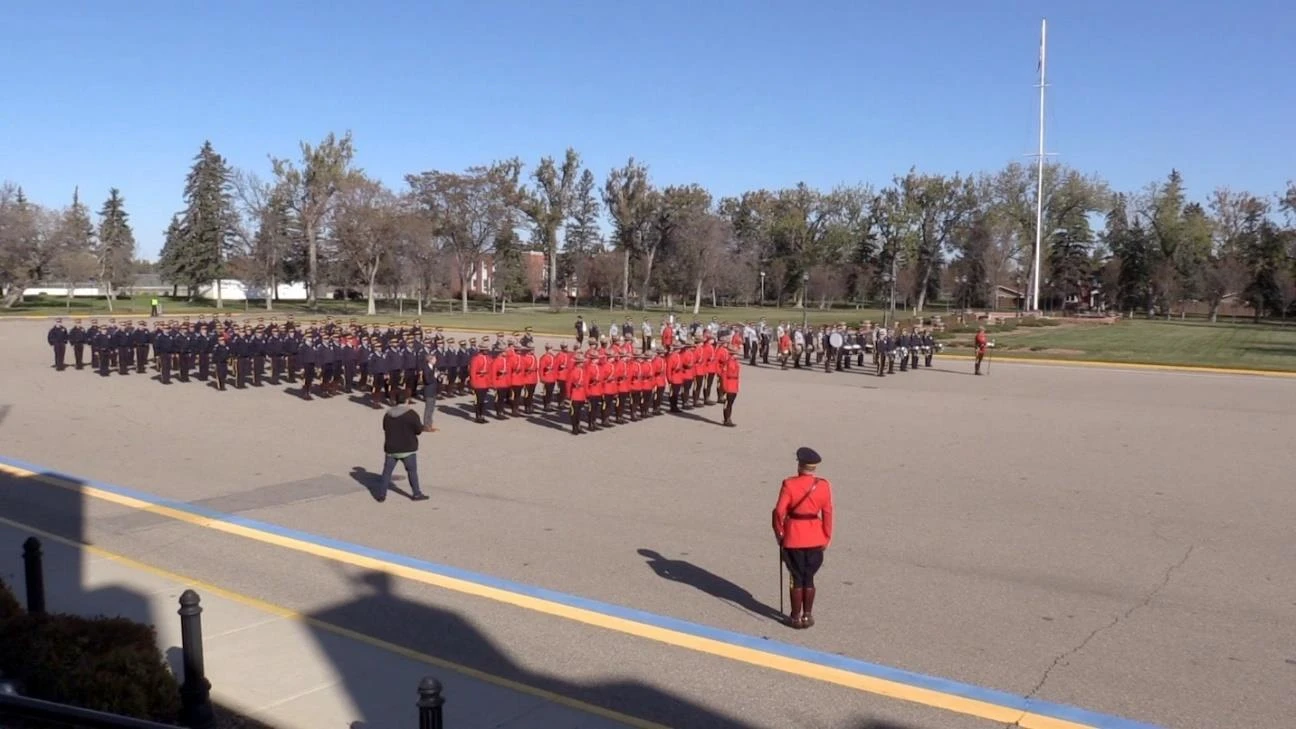
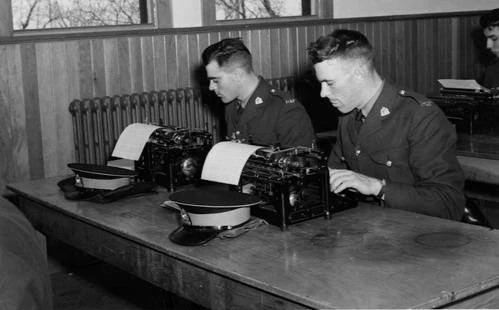
And what of the men and women, the members of the Force, who trained and worked at “Depot”? As of September 2020, Regimental numbers have been issued up to 66800. Not all of those 66800 have trained at “Depot”. There were those that joined the NWMP prior to 1885 and the formation of “Depot” and those who trained at “N” Division. Each one upon arriving at “Depot” and walking or marching past the Silent Sentinels had their own history and story, but they all had a similar goal, to complete training. Upon leaving “Depot” after training each new member’s career path took their individual twists and turn.
These are just a few of the millions of memories that are stored away in the non-existent memory banks of the of the Silent Sentinels of “Depot”.