
de GROOT, R.L. ((Roelof (Ralph) Lambert de Groot))
The Gallery
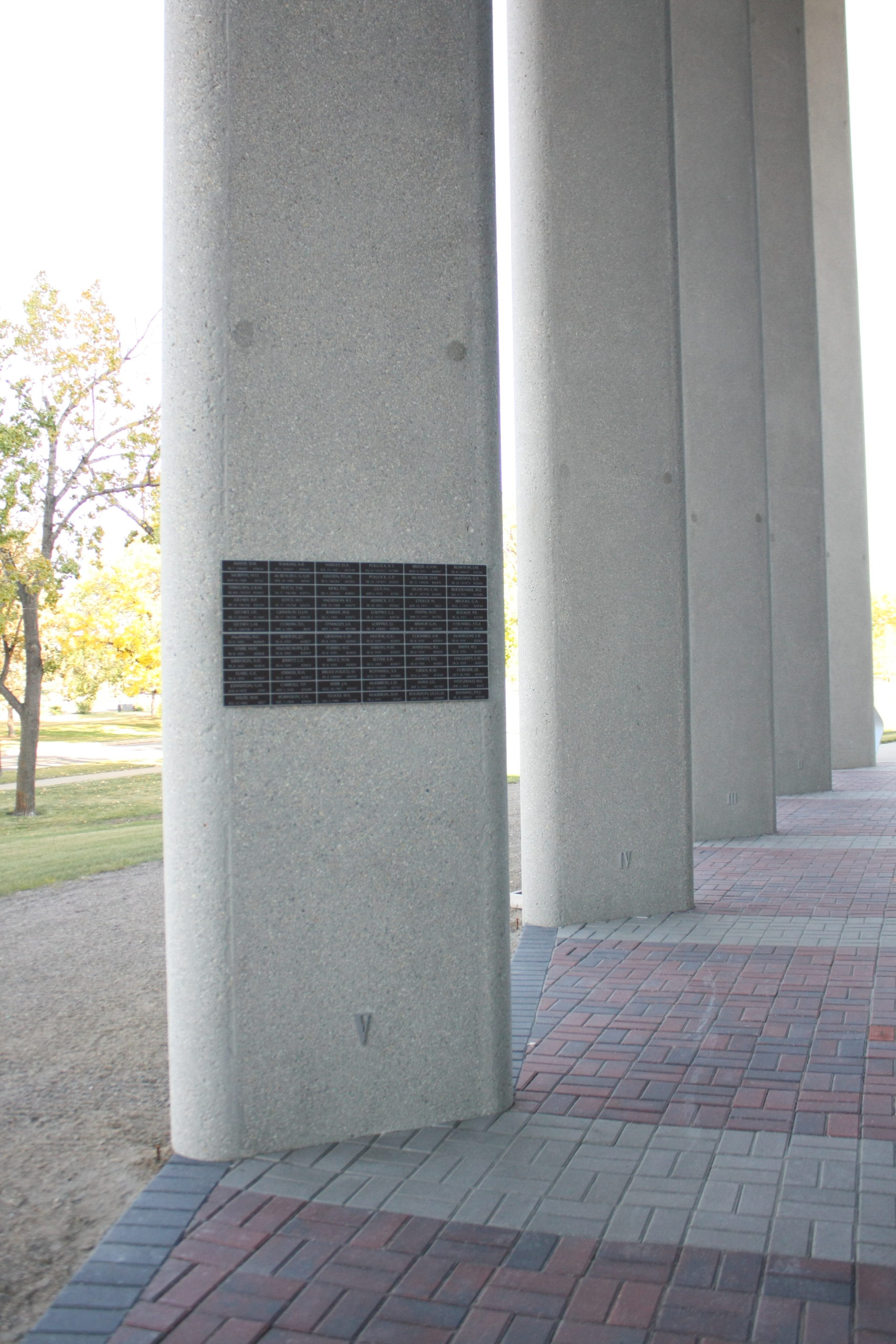
The Nameplates
Pillar Location: Pillar: 05 - V, Row: 24, Column: D
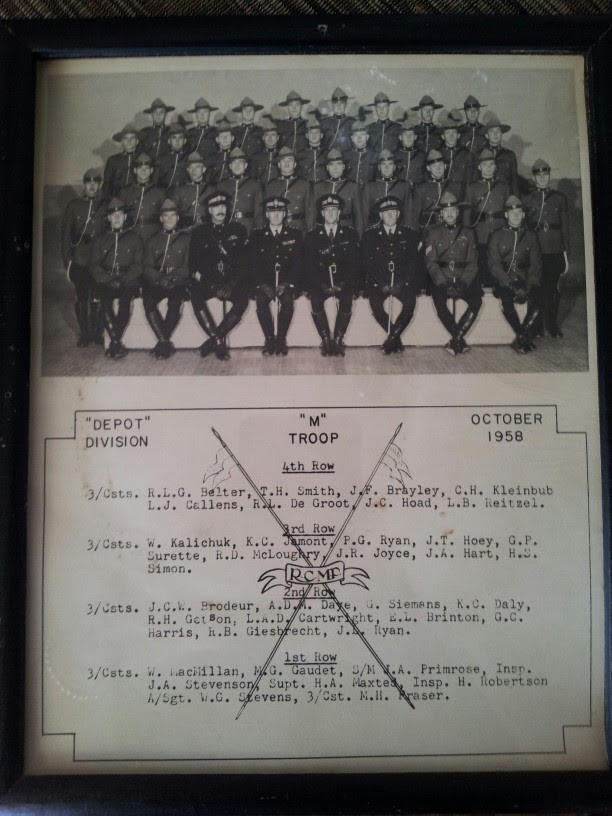
Troop Number and Year: TR. M 1957/58
Pillar Location: Pillar: 05 - V, Row:24, Column:D
Troop Number and Year: TR. M 1957/58
The Stories
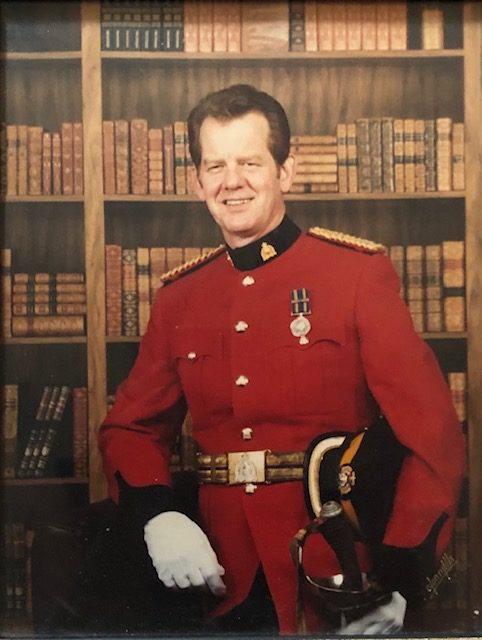
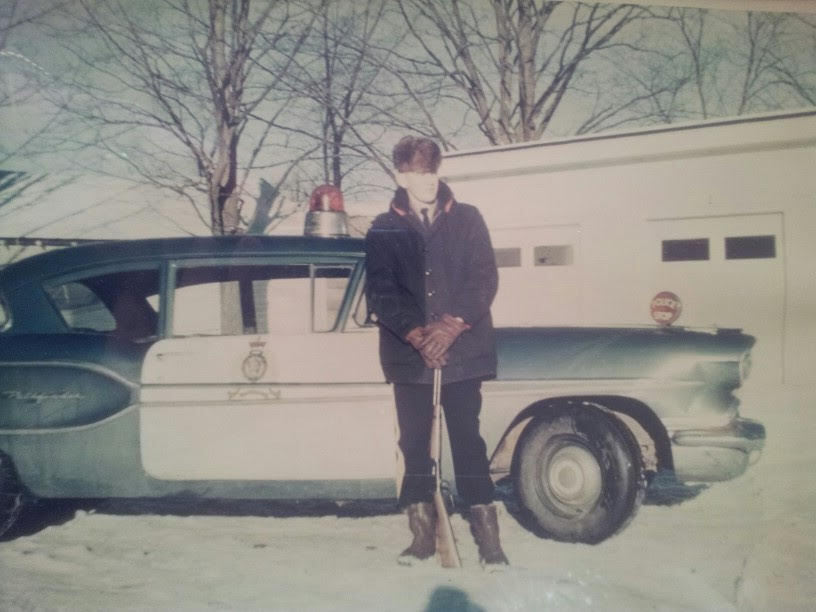
Reg. # 20284, 0.1092, Supt. Roelof (Ralph) Lambert de Groot, B.A, M.A, AdC (Ret), was born at home with the aid of a midwife as was the custom, in the Hague, the Netherlands, on August 2, 1937, to Roelof de Groot and Adele Josephine de Groot nee Heiting. I was told I had an older stillborn brother. I have one older sister, my dear Hannie. I had finished elementary and two years high school when my parents decided to move to Canada in 1952.
I was raised in the Hague in a protestant, caring family, on a middleclass street, with good neighbours of many religions, several national origins and visible minorities. All families and children interacted daily and got along well.
I grew up very fast during World War II from 1940 to 1945. I saw much, maybe too much; paratroopers shot from the ground while they were still floating down. I saw a malfunctioning V-2 bound for England exploding on a nearby street destroying everything and killing hundreds. I witnessed seven allied tanks destroyed and then saw some 17 very young enemy soldiers shot by the allied infantry. Three bombs fell on the house I lived in, killing my cousin. I was blown out of the second-floor bedroom window and rescued alive from under all he rubble, amidst broken gas and water mains. I saw our Jewish neighbours being arrested with their children by the Gestapo and they never came back. Our home was searched repeatedly by armed soldiers and they took what they wanted. Our windows had to be blacked out each night so no light could be seen from the outside.
My mother traded everything of any value in the countryside for some food and I saw my parents take off their wedding rings while crying, to trade. All that was left were a few sugar beets and tulip bulbs in the bathtub, which we ate, fried and as soup. We were so hungry and mostly very cold in the winter; there was no coal. In the end there was no school. The buildings were barracks for the enemy troops manning the new enemy Atlantic Wall, its bunkers, tank trap and mine fields, two kilometers west of our home. During the day we young people lived mostly on the street trying to steal some food from enemy troops or from the market gardens, known as Westland, which started at the end of our street and under armed control of the enemy, as a source of supply for their armies. I suffered from hunger oedema, treated after the war by allied medical military. Neither I nor my friends suffered any obvious after effects or harm as a result of the terrible things we saw or underwent during the war. I am a very happy and grateful person and thank the Lord, my parents, my good wife, my children, their spouses and grandchildren for that. (I grumble once in a while about this or that but it goes away.)
Then came that long awaited Liberation. Soldiers were invited to our home. Many were Canadian. They sang around our piano. They told stories about Canada and life there, mostly about freedom. Holland was now socialistic. My dad said he wanted to live there, where freedom reigned. He was 54 years old. We went. My sister had gone ahead to find a place to live.
We arrived on August 20, 1952. My dad got a good job right away, my mother took in some borders and I, too, had to go to work and finish my high school at night. I was a dishwasher, factory worker, truck driver and office employee. I also joined the Queen’s York Rangers, a militia armoured regiment at Fort York in Toronto.
Then an editor friend of my father asked me if I could write in Dutch. I could. He wanted me to write a story about the Royal Canadian Mounted Police. It was to be included with other stories in a booklet about life in Canada, to be issued to Dutch immigrants in the Netherlands as orientation. I knew nothing about this organization, but set out to learn. The story was published.
During the research, I also visited the RCMP Ontario Headquarters. The recruiting N.C.O. encouraged me to consider the Force as an exciting career. I became very interested. In the end, I wanted to do nothing else but qualify. I wasn’t at all confident that I could pass the tests, but I did. I was sworn-in in Toronto on December 2, 1957 for $ 2760.00 per year and on that same evening I was on the train to Regina. Apart from immediate family, some 50 well wishers from the Dutch-Canadian community were at the Union Station in Toronto to see me off, telling me to set an example, to do well and to make them proud.
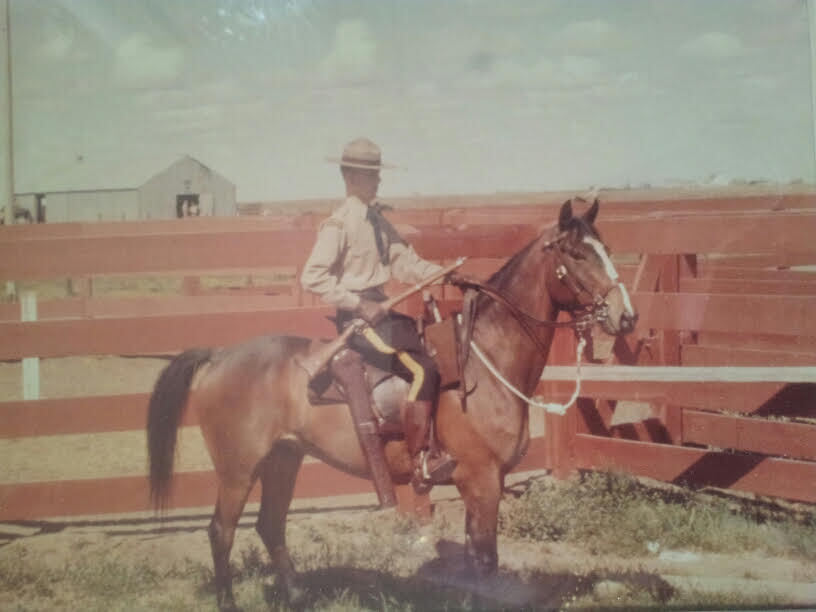
I graduated from the Academy on October 8, 1958 and ended up with a first in the troop standing, which I found hard to believe when the training officer told me in the exit interview. I loved all of the training; the six months with the horses, the academics, especially Law and Model Detachment and the physical parts, such as police holds, swimming and a little bit less, the boxing. A bout would only be stopped when one of you had drawn blood.
Over the next 34 years, I was very fortunate to acquire wide and varied operational experience throughout Canada and abroad. First the basics in Truro, Springhill and Amherst. Then more specialized in Toronto, Camp Borden, Fort Erie and Windsor, including being assigned to the U.S Department of Justice Strike Force on Organized Crime in Detroit. Next came Ottawa, Bonn, Vienna and Calgary. Then Mexico City and Washington, as RCMP Foreign Liaison Attaché, in the diplomatic service, for security intelligence and police matters, until 1984 when these functions split between the newly formed Canadian Security and Intelligence Service and the RCMP.
I served as Deputy Director RCMP Foreign Services Directorate and in this capacity supervised with the Director the Force’s personnel abroad and their operations on site in some 22 countries. During this tour of duty, I also served on the federal government’s Deputy Ministers Committee on Foreign and Defence Policy, the Interdepartmental Committee on External Relations and Chairman of the International Association of Chiefs of Police International Policy Committee.
During the RCMP Continuum of Training from 1959 to 1984 I graduated from 12 training courses. I attended the FBI National Academy in Quantico, Virginia in 1982 and the U.S. Marine Corps Sniper Course. The Force sponsored me under its study extension program at universities in Canada and the USA, leading to a Bachelors Degree in Law and Political Science and a Masters Degree in Criminal Justice.
I surprised myself that I steadily rose through the ranks and received a Queen’s Commission in 1977, eventually attaining the rank of Superintendent with duties such as Officer Commanding Economic & Proceeds of Crime, Intelligence and Joint Forces, lower courts prosecutor, National Adjudication Officer, Canadian Police College Manager, Sub-Division Commanding Officer and Headquarters Deputy Director. Duties at the RCMP Training Branch and the Canadian Police College were simply exhilarating. The most dynamic officer in charge, later Deputy Commissioner, I have ever worked for gave me a totally free hand in designing training courses from scratch using the systems approach technique.
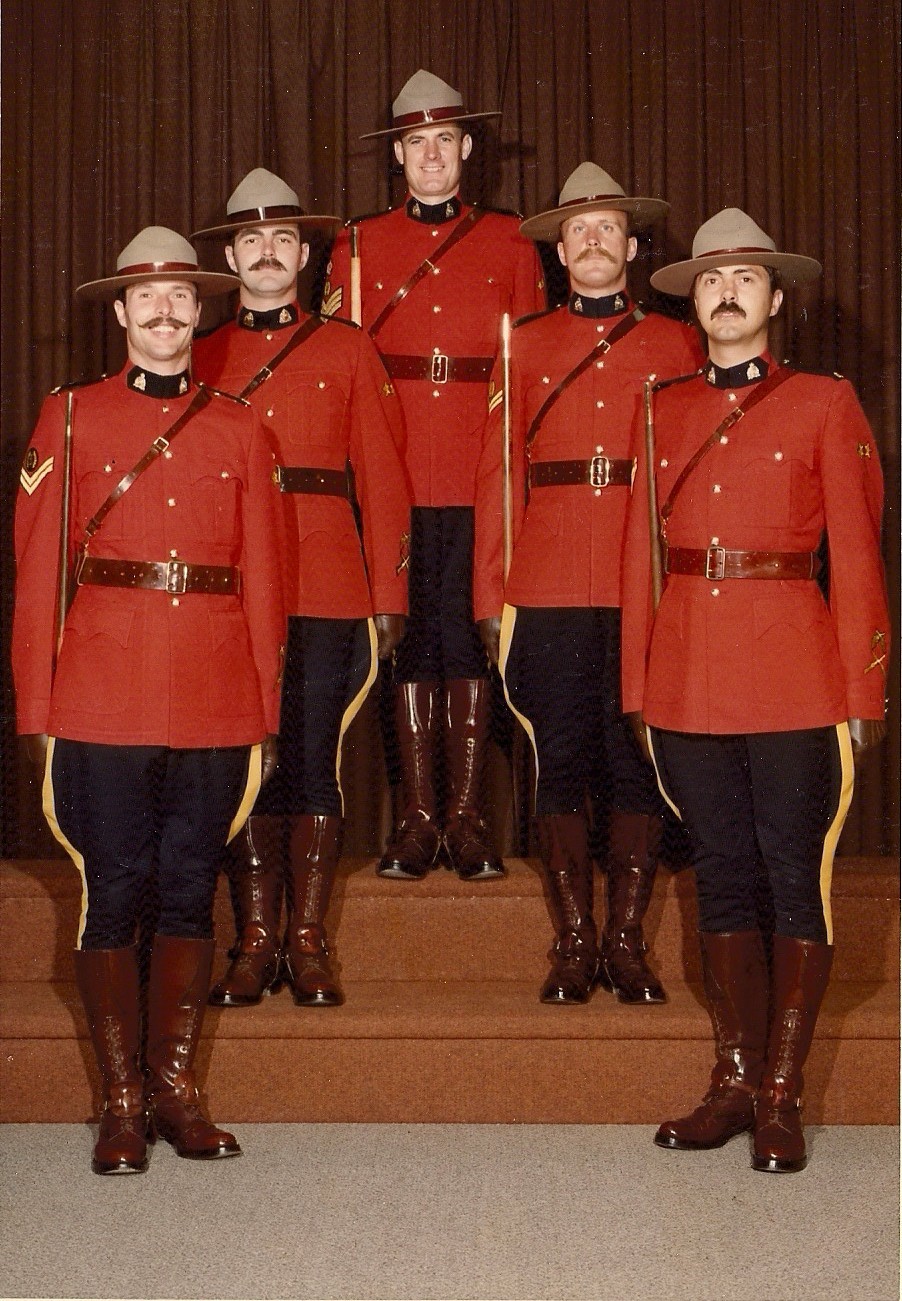
I took particular pride in serving as Aide-de-Camp to two Governors General and especially to Commissioner Nicholson in his retirement.
I have served as personal Security Officer for members of the Royal family, three Canadian Prime Ministers and a number of foreign Heads of State.
One unique experience involved a seconded exchange to serve two years as Deputy Director of the Ontario Provincial Police Training Academy, an initiative of the two Commissioners of the respective Forces to do some crossbreeding. But it came time to go. You know it when it arrives.
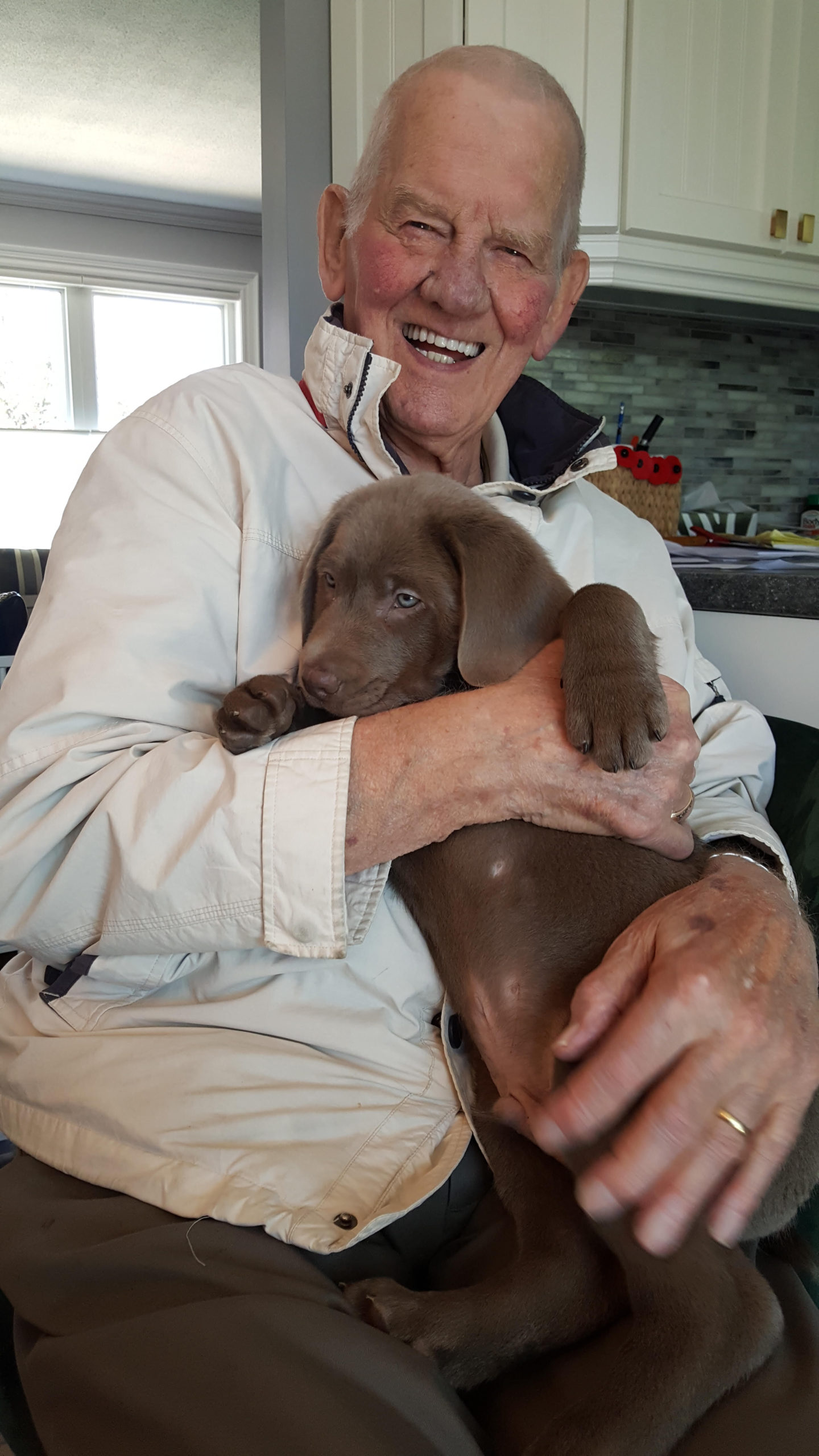
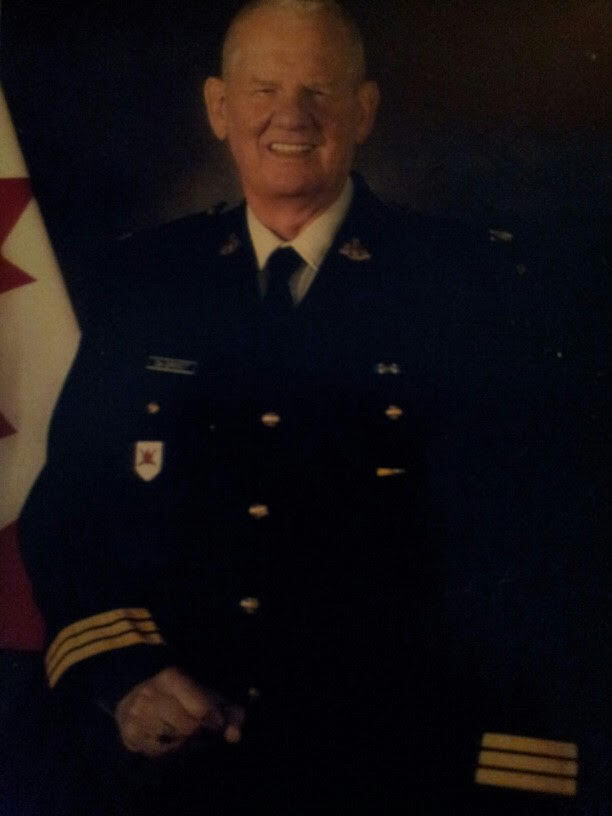
I retired in 1991 and we selected Peterborough by choice. I looked at my wife, the beautiful Ricky, who I was blessed to marry in 1962 and my four children, Ralph John, Alison, the twins Adele and Astrid, and a very deep gratefulness welled up in me. They had followed me everywhere, throughout Canada and the world without complaint. In time all my kids moved to Peterborough and we have three grandchildren. In retirement I was appointed Chair of Quorum of the Ontario Parole Board until 2003. In 2008 I ended an affiliation with a Toronto law firm as a trial consultant and witness profiler. I received a second Queen’s Commission in 2010 when I was appointed as Honorary Lieutenant Colonel of the Hastings and Prince Edward Regiment.
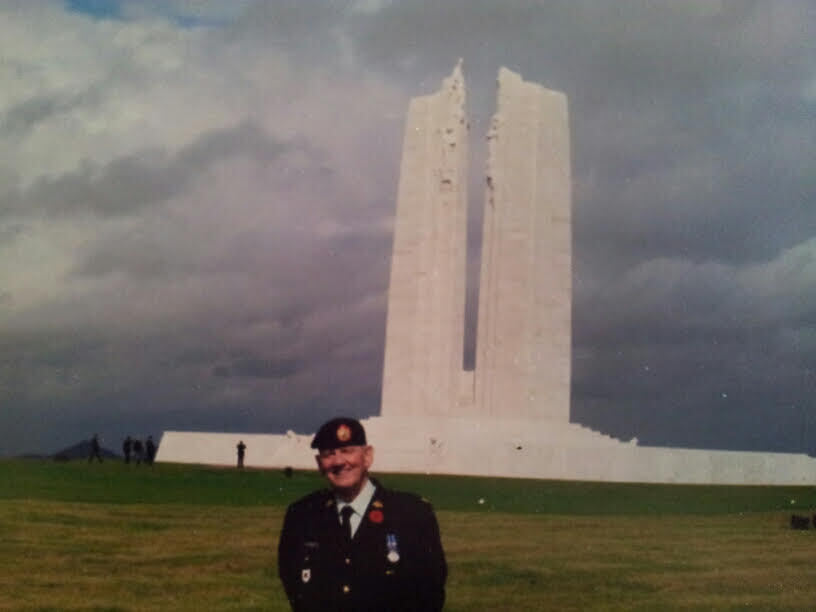
As a volunteer, I am part of the RCMP Grave Inspection Team in this part of Ontario with the Toronto Veterans where I am a Life Member.
I joined the Force on a high and I left it on an even greater one. I never thought of it as a job. Most days I couldn’t wait to get to work and there were experiences that I asked myself,” …They are actually paying me for this?” Would I do it again? I cannot answer that. I thank God, my family and the Force for the memories, especially those of people who have so enriched my life. I do not believe you can or should go back and recapture what once was and is no more.
Divisions Served: Depot, H, O, HQ, Bonn, Vienna, K, N, Mexico City, Washington, OPP Brampton
Medals and Honours: RCMP Long Service an Good Conduct Medal, Bronze and Silver Bars, 2 RCMP Commendations, 10 commendations from United States federal, army and state agencies, 3 awards by U.S. civilian institutions, 3 awards by Canadian civilian institutions., agencies, 3 awards
Pillar Location: Pillar: 05 - V, Row: 24, Column: D
Regimental Number: 20284
Training Division: Depot
Troop Number and Year: TR. M 1957/58
Home Town: Peterborough, ON
Engagement Date: Dec 02, 1957
Regimental Number: #20284
Troop Number and Year: TR. M 1957/58